Beyond the Internship: What Three MIT Students Helped Urban Coders Guild Build
This summer, Urban Coders Guild had the privilege of hosting three MIT students, Beau Ambroise, Kindeya Debesu and Miranda Li, through the Priscilla King Gray Center for Social Impact's Code.Tulsa program. This was our second year serving as a host organization, and over the course of the summer they became part of our team, took ownership of a real organizational challenge and left us with work that we can continue developing long after their return to MIT.
A technical project with an educational question
Their assignment began with a practical technical challenge. We wanted them to research and evaluate existing browser-based coding platforms and help us determine how an online Python environment could be integrated with Urban Coders Guild's curriculum and instructional resources. The objective was to understand how existing technology could be used thoughtfully in a real learning environment for students and teachers.
As the work developed, however, we realized that the platform itself was only part of the problem we were trying to solve. The better question became: How can Urban Coders Guild create the best possible first coding experience for a student learning Python? That reframing gave the team a richer problem because a strong first experience depends on curriculum, onboarding, usability, feedback, documentation, instructor support and whether the learning experience gives a student a reason to continue.
Beau, Kindeya and Miranda brought different strengths to that work. Kindeya brought strong technical and systems thinking to architecture and integration. Miranda brought structure, testing, organization and attention to quality. Beau consistently helped the team return to the perspective of the learner and ask whether a decision that made sense technically would also make sense to a student encountering Python for the first time. Those complementary perspectives gave the project a useful balance among engineering, implementation and education.
Their backgrounds and interests are different, but each arrived in Tulsa already thinking seriously about some combination of technology, education, access and service. Those perspectives became part of the way they approached the project and, I think, help explain why the team was able to consider both the technical quality of what they were building and the experience of the students and educators who might eventually use it.
Extending access by building on what we know
By the end of the summer, the interns had given us a strong foundation for something I have wanted Urban Coders Guild to explore for some time: a student- and teacher-facing online Python learning environment that combines structured curriculum with an integrated browser-based coding experience. It creates another opportunity to consider how what we have learned through years of working with beginning computer science students might translate into a different learning environment.
An online environment can give students greater flexibility in when and where they begin learning, provide teachers with another resource for introducing Python and allow Urban Coders Guild to extend access beyond the physical capacity of our classrooms. It also gives us the opportunity to think intentionally about how students experience progress, where they find support when they encounter difficulty, how educators remain connected to the learning process and how a first experience with Python might open a pathway toward deeper technical learning.
This possibility connects naturally with some of the strategic thinking underway at Urban Coders Guild. We are increasingly thinking about access as the beginning of a longer developmental experience that can grow into belonging, meaningful participation, genuine competency and greater agency over what young people learn, create and pursue.
Our aspiration is for young people from across Tulsa to have opportunities to develop technical skill, discover what they are capable of building and increasingly see themselves as people who can contribute to and help shape the region's technology future. The online Python project gives us another place to explore what that can look like, particularly for students and educators we are not currently able to reach through our physical programs.
A partnership that builds lasting capacity
I also appreciate that Beau, Kindeya and Miranda left us with more than a prototype. Their work included documentation, technical decisions, identified limitations and recommendations that allow Urban Coders Guild to continue learning from and developing the project.
That is one of the things I value most about this kind of partnership. Students gain meaningful professional experience while the organization gains knowledge, tools and capacity that can continue serving its mission after the internship itself has ended.
\
A summer that informed a larger reflection
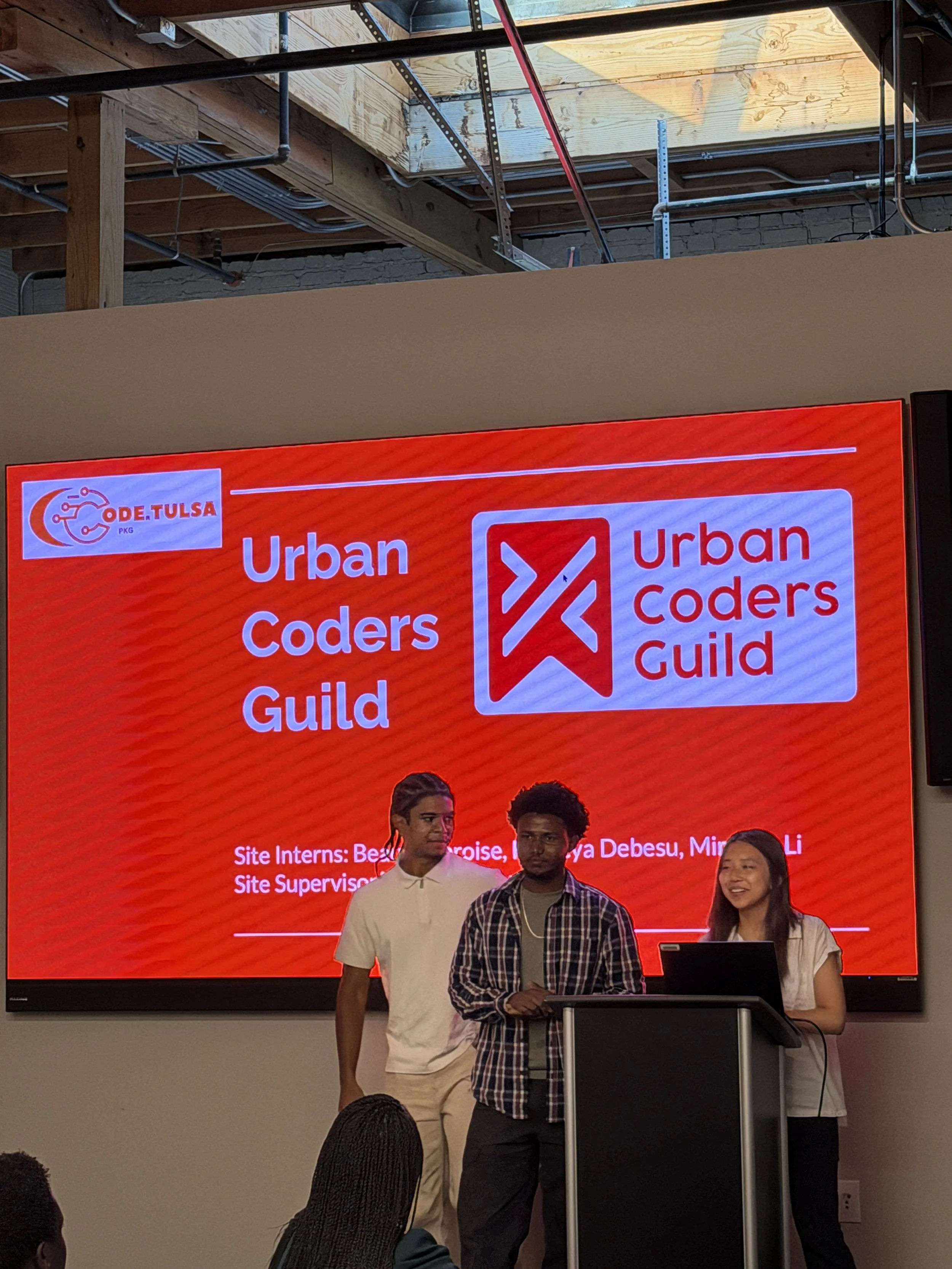
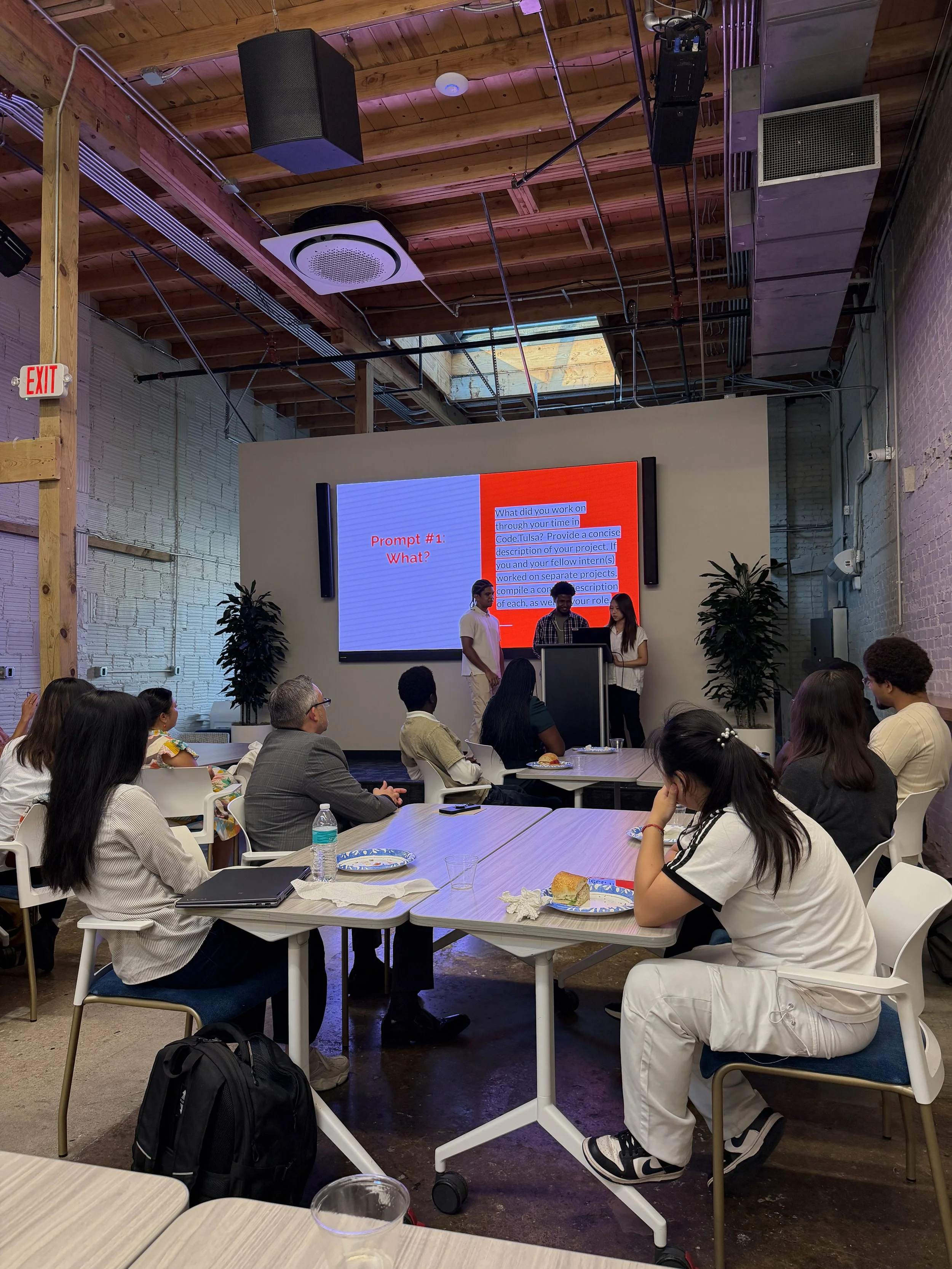
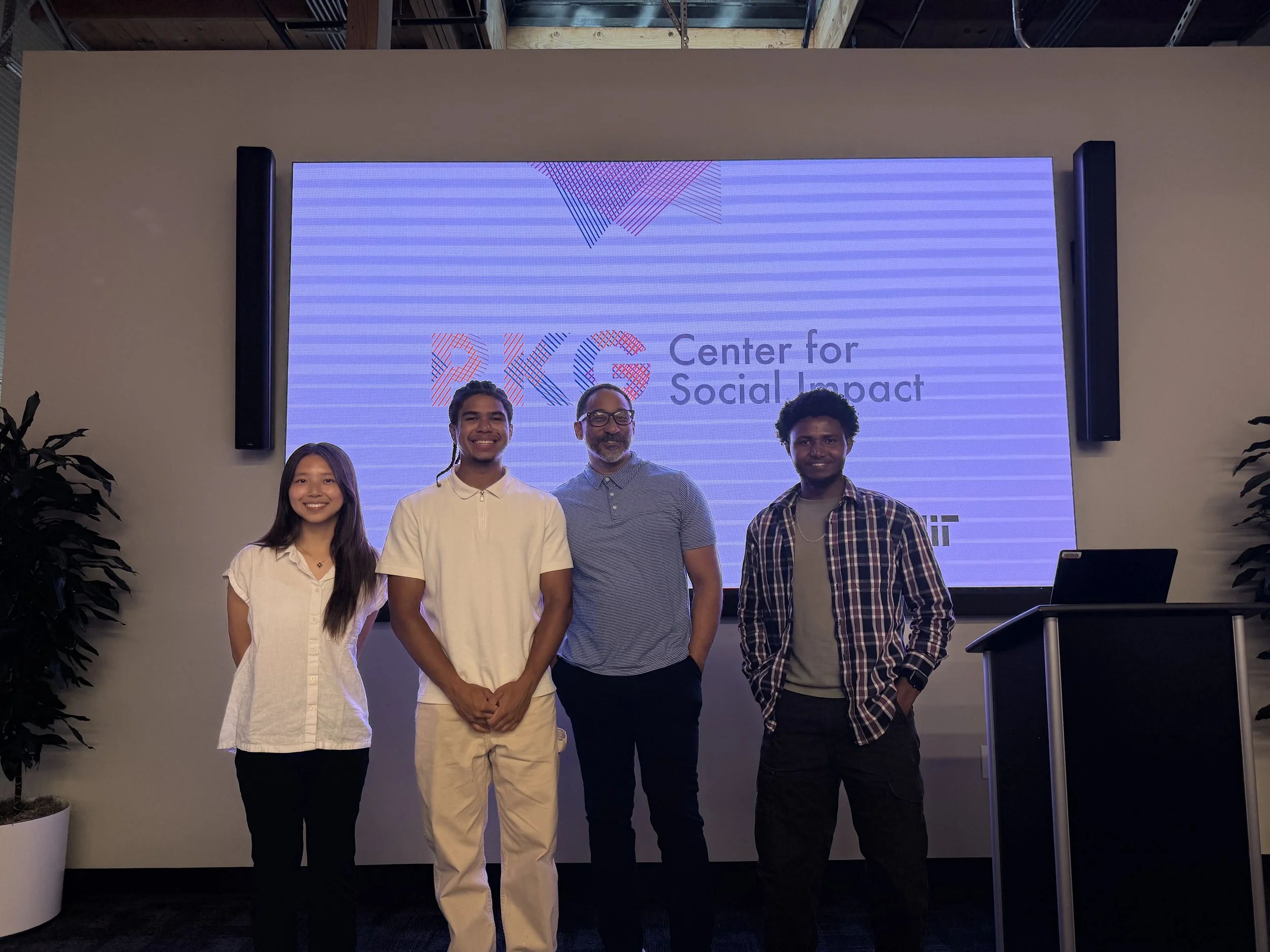
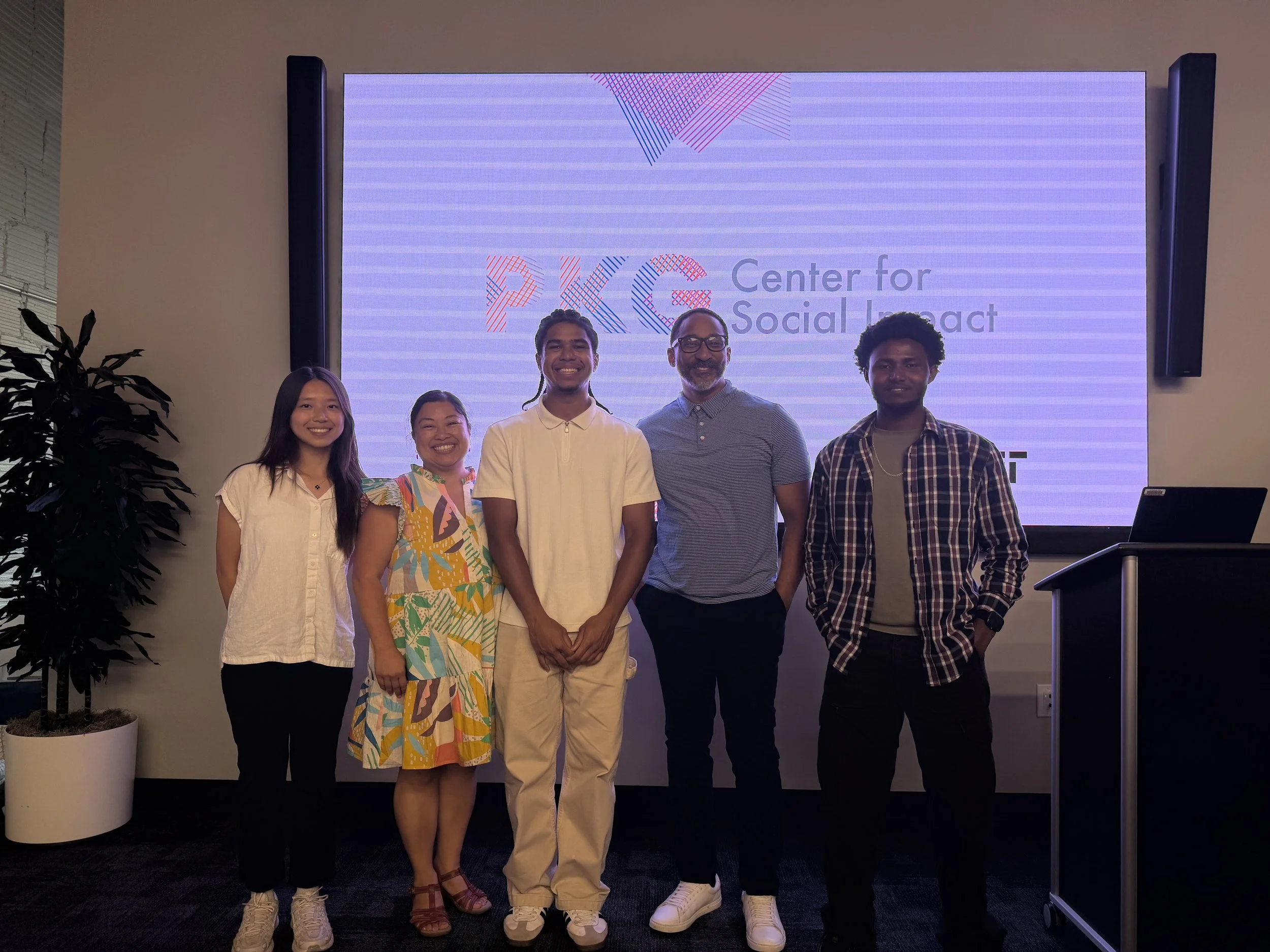
Their Urban Coders Guild project was one part of a broader summer in Tulsa. Beau, Kindeya and Miranda also concluded their Code.Tulsa experience working with younger students through the summer camp at the University of Tulsa, and their final presentation reflected on both their project and their own development.
Taken alongside their work with UCG, those experiences gave me another useful point of reflection as we consider what a modern "Guild" might mean: a community in which people at different stages of technical development learn from one another, share knowledge and help create opportunities for those who follow. As that idea continues to develop, I am increasingly interested in how learners can become practitioners and how practitioners, professionals and alumni can become part of the educational infrastructure surrounding the next generation.
What comes next
There is still meaningful work ahead before this platform is ready for broad use by students and teachers. We need to continue testing the technology and curriculum, learn from users, refine the instructional experience and make thoughtful decisions about long-term maintenance and scale.
We are beginning that next phase with a stronger technical foundation, clearer questions and greater organizational capacity than we had at the beginning of the summer. Beau, Kindeya and Miranda gave us something meaningful to continue testing, refining and building, and I am grateful for the intelligence, professionalism, curiosity and care they brought to Urban Coders Guild.
I also want to thank Vippy Yee, assistant dean of community-based programs at MIT's Priscilla King Gray Center for Social Impact, for her continued leadership of Code.Tulsa and for connecting us with these students, and Darcy Bostic, our local program coordinator, for the many details, relationships and responsibilities she helped manage throughout the summer. Their work helped make an experience possible that benefited three developing professionals while leaving Urban Coders Guild better positioned to continue an important piece of work.
Three talented students came to Tulsa to learn, build and contribute, and Urban Coders Guild is stronger because they were here. I am grateful for what they created and equally interested in what their work will allow us to learn next.
MEET THE 2026 MIT PKG SOCIAL IMPACT INTERNS
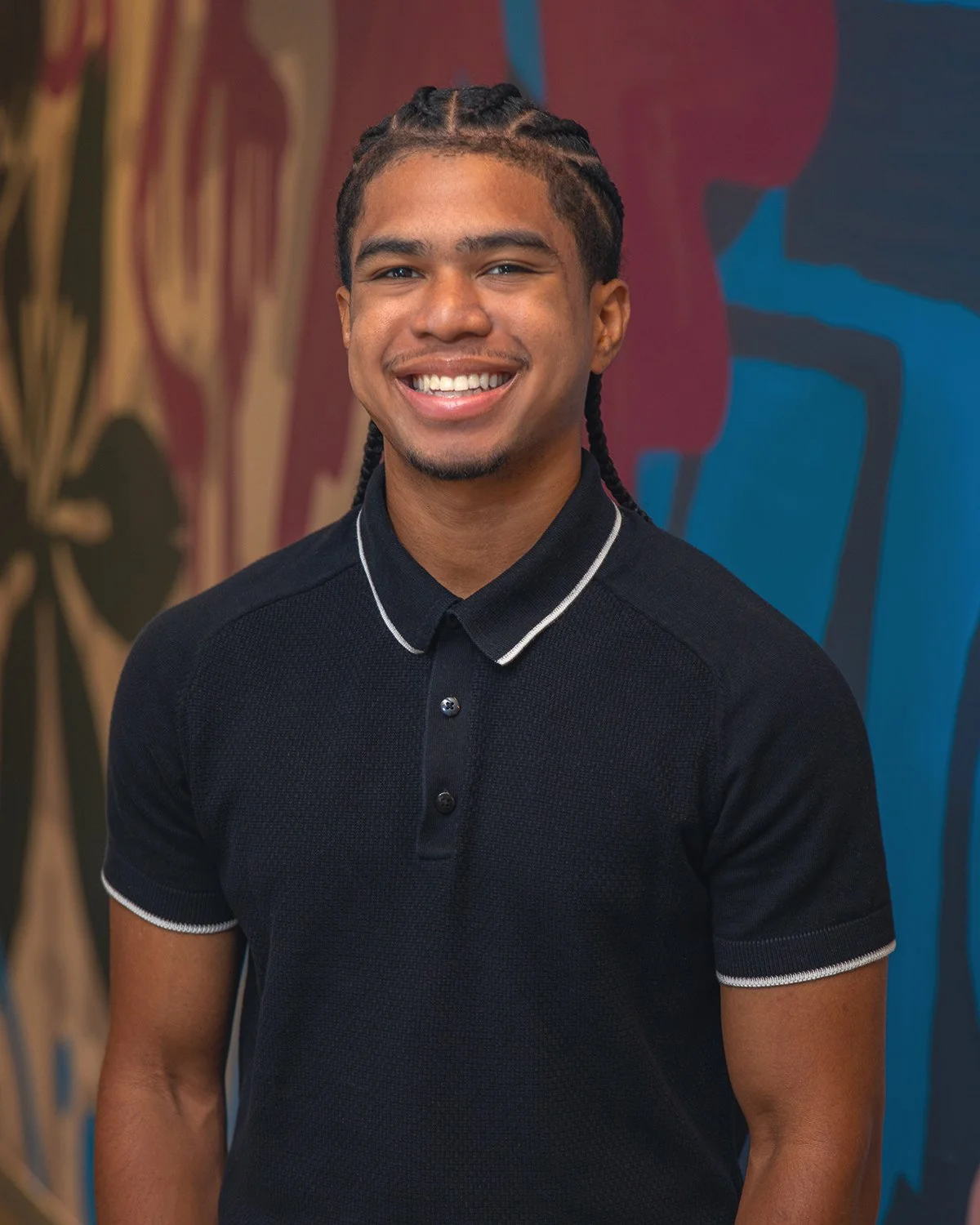
Beau Ambroise
Beau came to MIT from Newark, New Jersey, where his own educational experiences shaped a lasting interest in educational equity. Before college, he spent several years tutoring high school students in math and physics and came to appreciate how much a good teacher can influence a student's relationship with learning.
That interest continues to shape how Beau thinks about his future. He has described teaching computer science or mathematics in a low-income community as part of his longer-term aspirations, which brought an especially useful perspective to a project centered on how beginning students experience computer science.
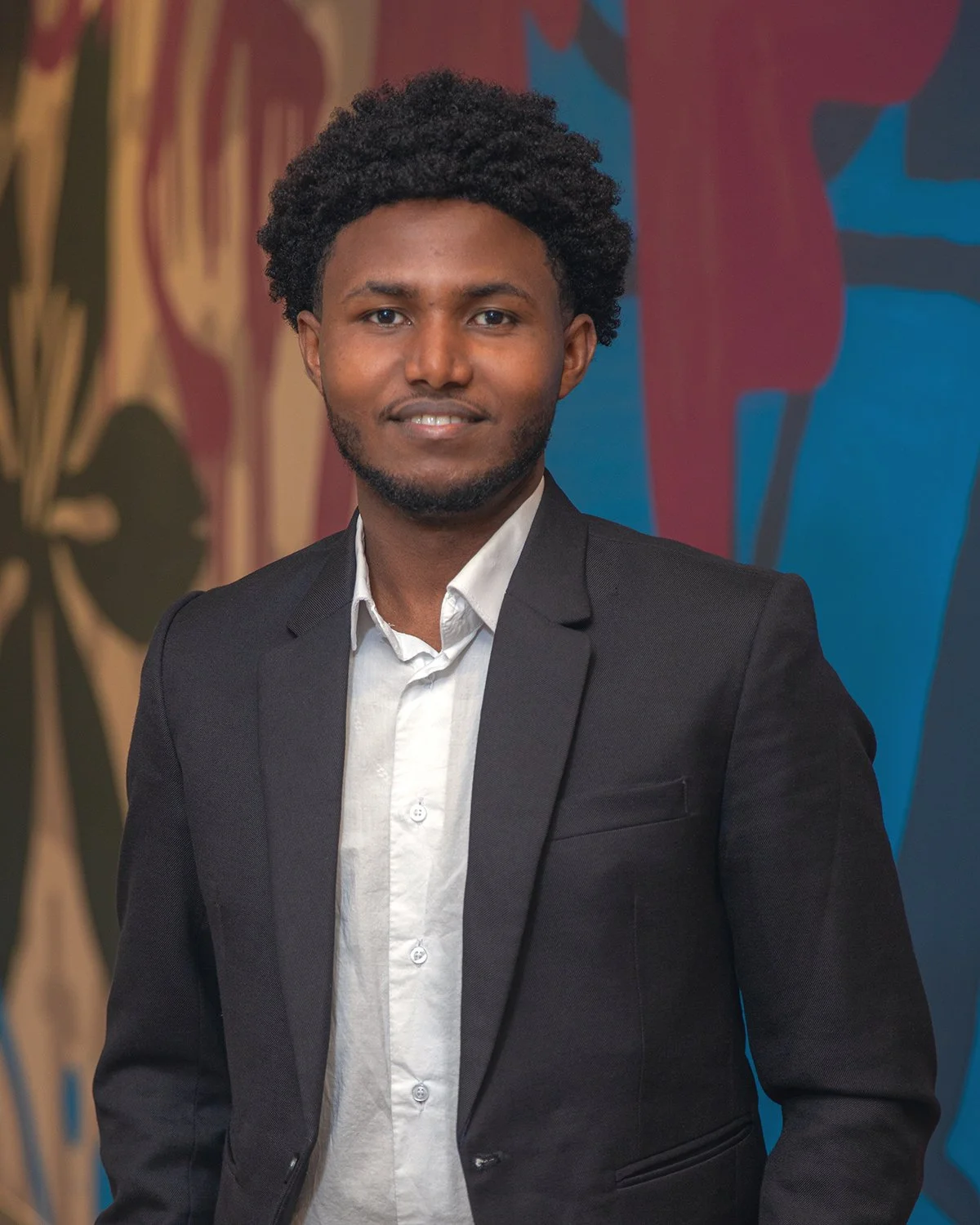
Kindeya Debesu
Kindeya grew up in a village in Ethiopia, an experience that has shaped how he thinks about technology, access and the digital divide. As a high school student, he helped develop curriculum for a digital library that gave students in Ethiopian schools access to additional learning resources through local networks.
Now studying computer science at MIT, he is particularly interested in using technology to create practical pathways that help people move from curiosity to meaningful participation and creation. That combination of technical interest and personal experience brought an important systems perspective to the project.
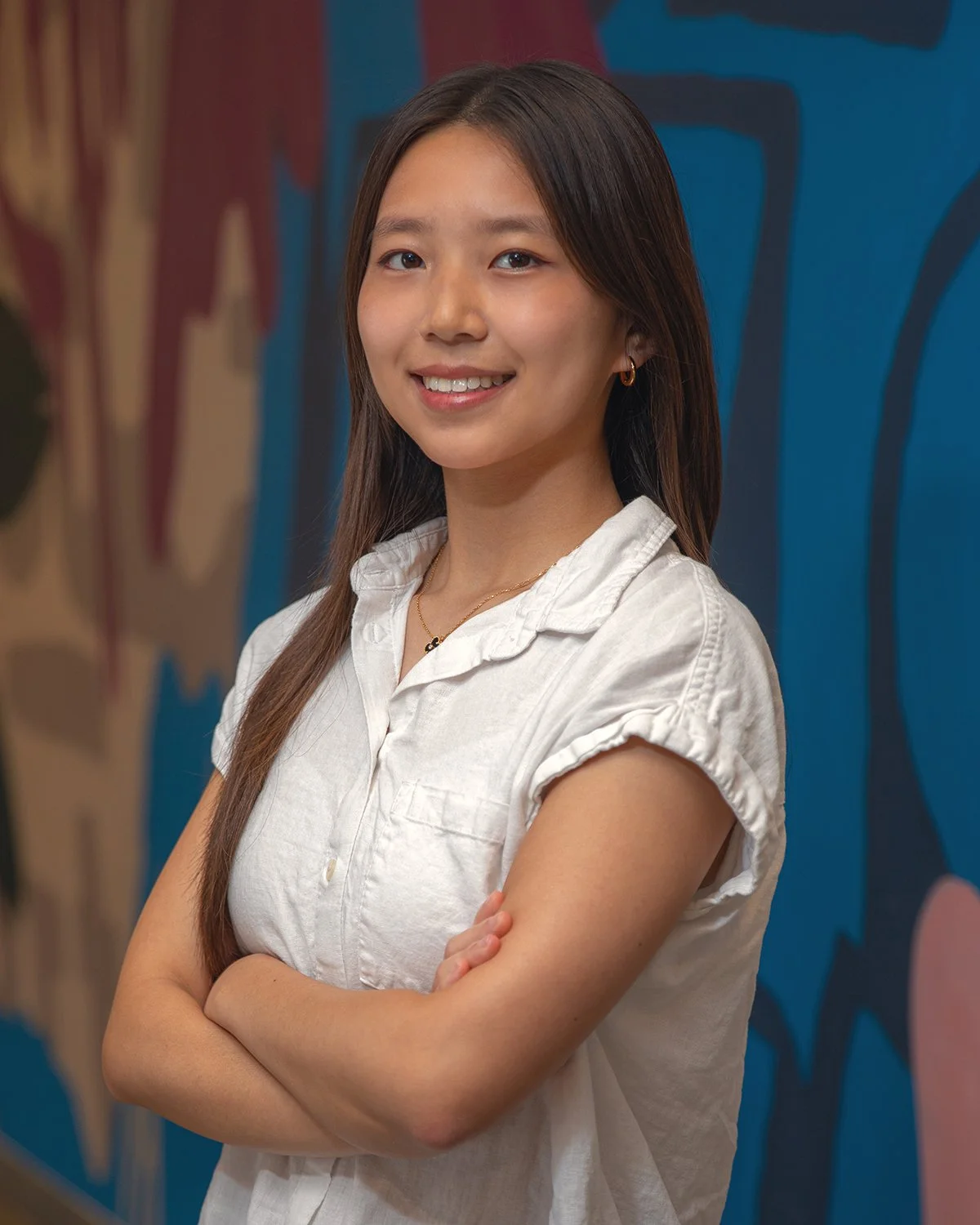
Miranda Li
Miranda arrived at MIT with relatively little programming experience and quickly developed a passion for building with technology. Her interest in access to education also predates college, including funding a music scholarship in high school to help other students pursue opportunities she knew were not equally available to everyone.
At MIT, she is studying computer science and mathematics, assists students in an introductory Python course and has taught algorithmic problem-solving. Her combination of technical ability, teaching experience and attention to organization and quality became particularly valuable as the team thought about how students and educators might actually use what they were building.